Aug 9, 2026Sample Garments & Bulk Production & Quality Control
Why an Approved Sample Does Not Automatically Guarantee Bulk Quality
An approved yoga wear sample is a reference, not a guarantee. Learn how specifications, materials, production controls and inspections protect bulk activewear quality.
Why an Approved Sample Does Not Automatically Guarantee Bulk Quality
An approved sample answers an important question: "Is this version acceptable as a development reference?" It does not answer every question about thousands of bulk garments.
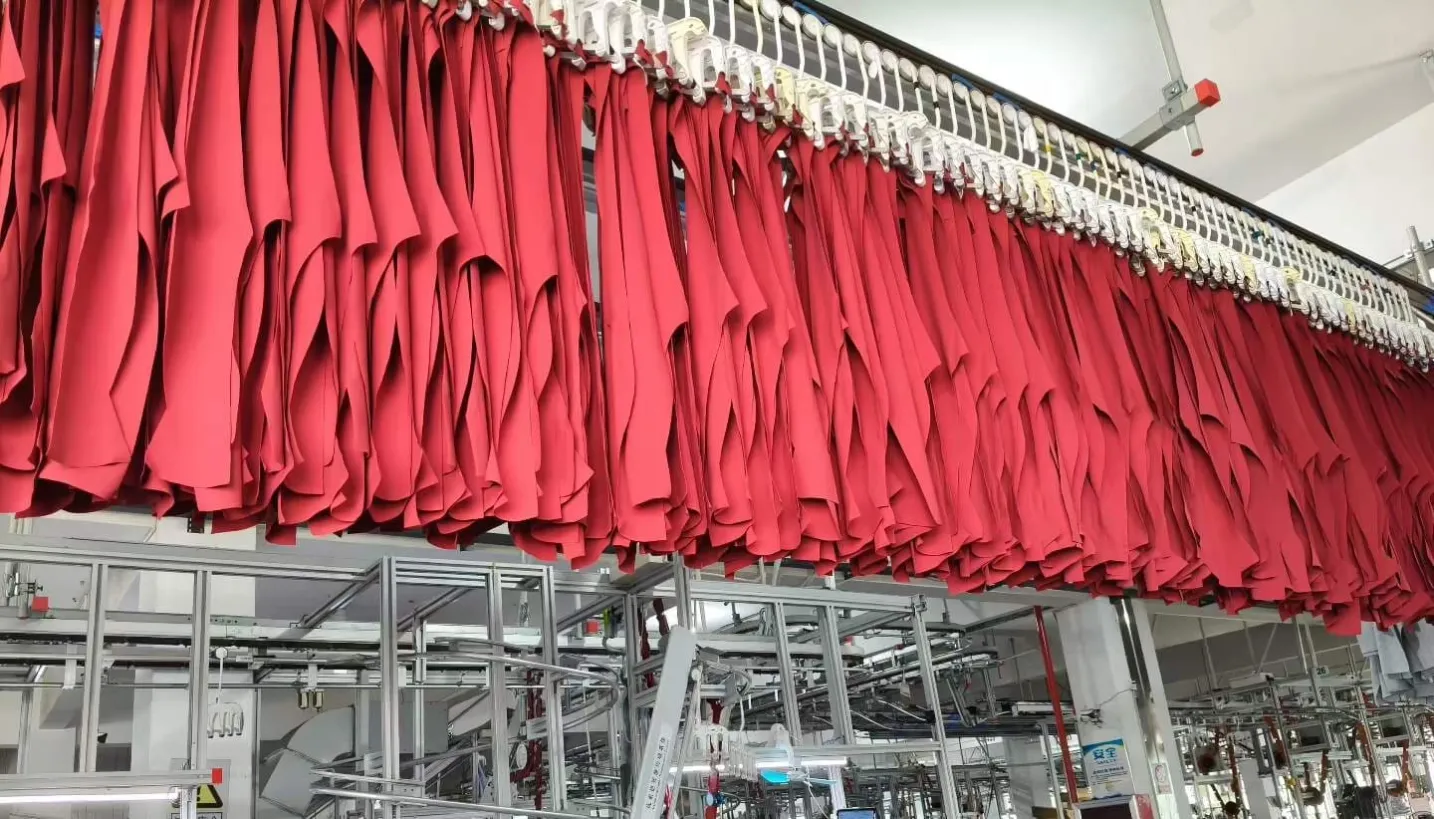
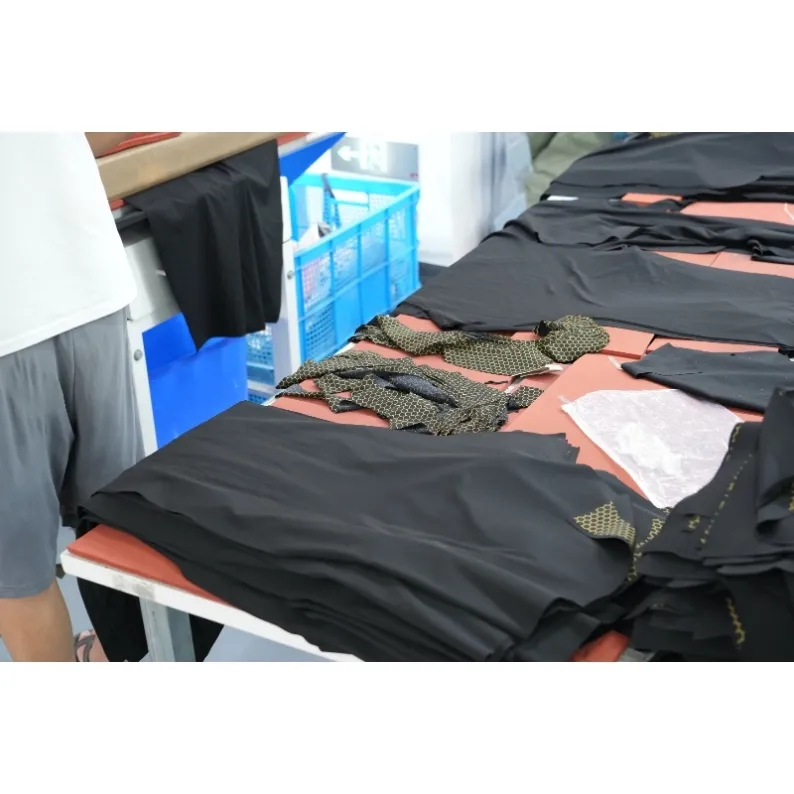
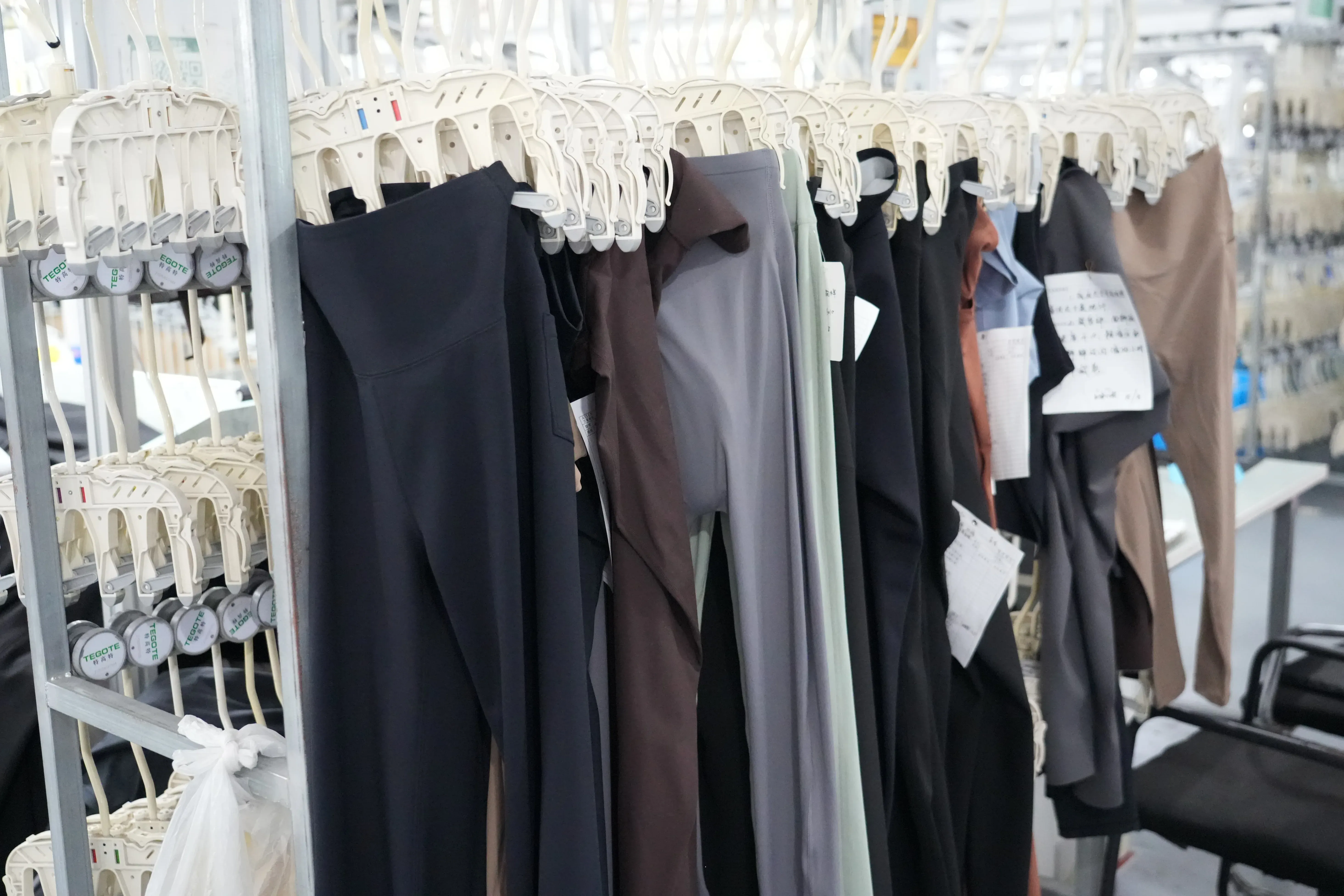
Bulk production introduces more fabric, trims, sizes, operators, machines and handling steps. Quality depends on whether the approved result has been translated into clear specifications and controlled throughout production.
A sample is evidence-not a complete control system
One garment cannot fully define:
- acceptable fabric-lot variation;
- measurement tolerances across sizes;
- color standards for every component;
- workmanship limits and defect classification;
- packaging and assortment requirements;
- inspection sampling and acceptance criteria;
- approved substitutions or change control.
The sealed sample is strongest when used together with the current tech pack, bill of materials, measurement specification and approved material references.
Approval can be ambiguous
"Approved" should state what is approved. A fit sample may confirm pattern and measurements while using substitute color or trim. A photo sample may be approved for appearance but not construction. A pre-production sample may be intended to represent bulk materials and workmanship.
If sample purpose is unclear, teams can assume more has been approved than was actually reviewed.
Scale creates process variation
Sample rooms often use experienced operators and small quantities. Bulk lines distribute operations among more people. Variation can enter through:
- fabric shade and performance;
- cutting direction and bundle control;
- sewing tension and feeding;
- elastic application;
- logo placement and heat settings;
- pressing, finishing and packing;
- size and color assortment.
The answer is not to distrust production. It is to define controls proportionate to risk.
What should support approval?
- Identified sample version and purpose.
- Current tech pack revision.
- Approved measurement chart and tolerances.
- Confirmed bill of materials.
- Fabric and trim standards.
- Construction and workmanship details.
- Test requirements where applicable.
- Packaging specifications.
- Critical quality points.
- Written record of approved changes.
Quality must be checked while it can still be corrected
Final inspection is important, but it occurs after most value has been added. Fabric checks, pre-production review, first-piece confirmation and inline inspection help identify repeat problems earlier.
Why Choose Us: How GENY YOGA Helps Buyers Reduce Risk
Founded in 2012, Geny Yoga focuses on one-stop sportswear manufacturing across yoga bras, tops, tanks, leggings, shorts, pants and outerwear. Buyers benefit when design, materials, production and quality requirements are connected before bulk release.
Before approving your next order, send the sample status, tech pack, BOM and open questions. Geny Yoga can help clarify which items still require confirmation before bulk production.
Inquiry Contact Form
To discuss an OEM, ODM or private-label activewear project with GENY YOGA, please send the following information:
- product category and reference images;
- target quantity by style, color and size;
- fabric direction, hand feel or performance requirement;
- logo, label, packaging and trim requirements;
- target market, timeline and destination;
- Tech Pack, size chart or sample comments if available.
Related Posts
Related Products And Services
Contact GENY YOGA
Email: info@genyyoga.com
WhatsApp: +86 190 2093 2815
Tell us what you want to develop, and our team will help review the product direction, sampling requirements and sourcing risk points before quotation.