Aug 9, 2026Sewing Techniques & Quality
How Geny Yoga Evaluates Activewear Stitching During Sampling
See how Geny Yoga reviews stitch type, seam placement, extension, comfort, appearance and production repeatability during activewear sampling.
How Geny Yoga Evaluates Activewear Stitching During Sampling
Sampling is where a drawing becomes a physical construction. For Geny Yoga, the purpose of stitching review is not only to ask whether the seam looks neat. We also consider whether the chosen construction suits the fabric, movement, comfort target and repeatable production.
The exact checks depend on the buyer's specification, style and market. A lightweight tank, compression legging, lined sports bra and bonded streetwear top do not need the same seam solution.
Step 1: confirm the construction intent
We review the tech pack, reference sample and comments to clarify:
- stitch and seam type by location;
- visible versus internal stitching;
- intended seam profile;
- thread color and contrast direction;
- reinforcement points;
- body-contact concerns;
- relevant performance requirements.
If the document is unclear, resolving the question before sewing reduces repeated sample revisions.
Step 2: review fabric and layer behavior
Stretch direction, recovery, thickness, surface finish and layer count influence machine setup and seam choice. We consider whether the material curls, slips, grows or shows needle sensitivity.
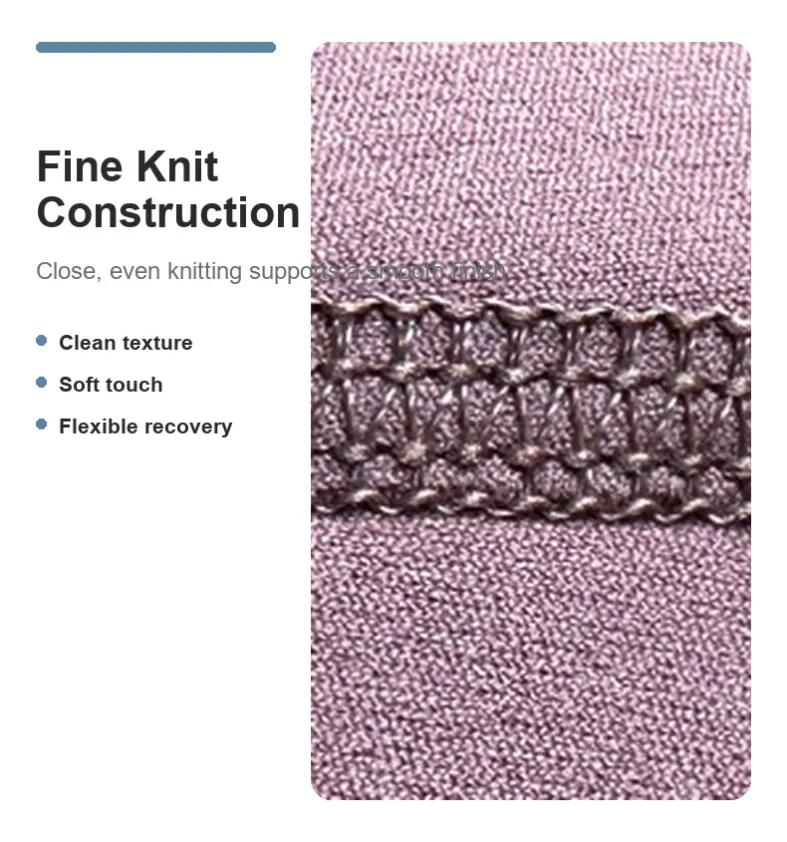
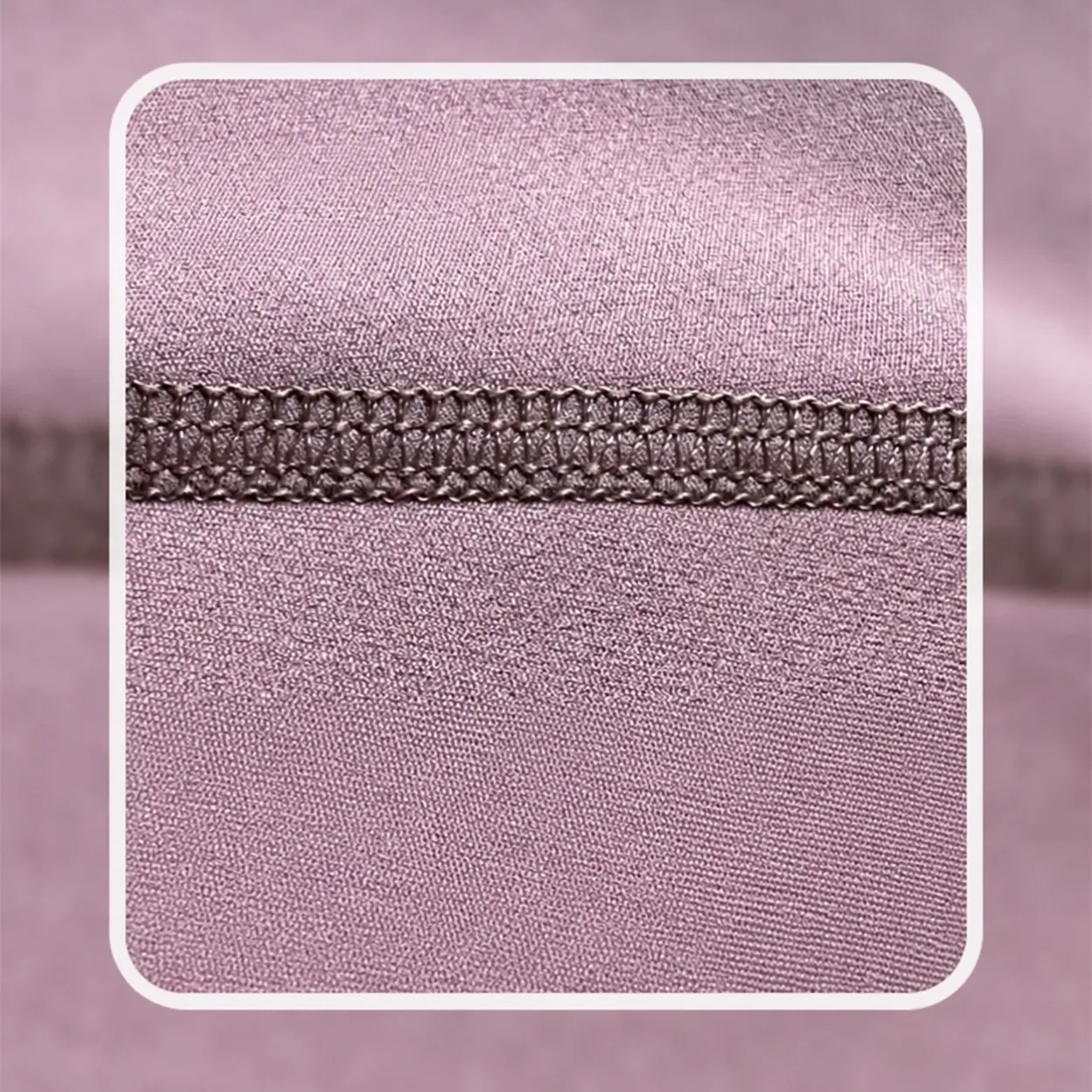
Step 3: inspect stitch formation
The sample review looks for:
- balanced formation on both sides;
- consistent stitch density;
- no unacceptable skipped stitches;
- controlled seam allowance;
- smooth feeding without excessive waviness;
- secure starts, stops and chain ends;
- reinforcement in the specified locations.
Step 4: assess extension and movement
The seam should extend adequately in its working direction without thread cracking or unacceptable restriction. The garment is more informative than a flat seam alone because pattern tension and body movement affect the load.
Step 5: consider comfort
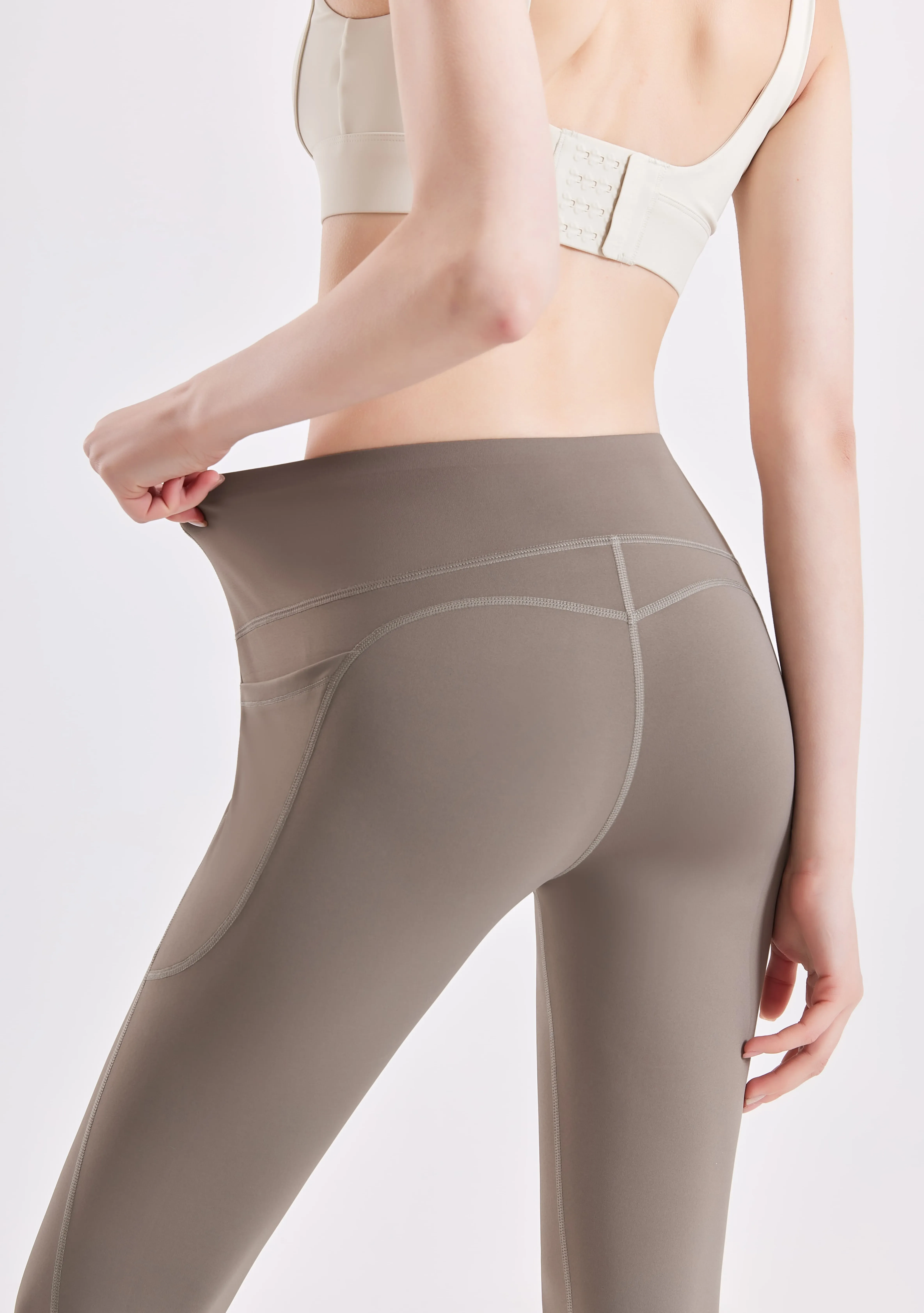
We review seam bulk and placement in contact areas such as inner thigh, crotch, waistband, armhole and sports bra underband. Comfort remains partly subjective, so buyer fit feedback and reference expectations are important.
Step 6: review appearance
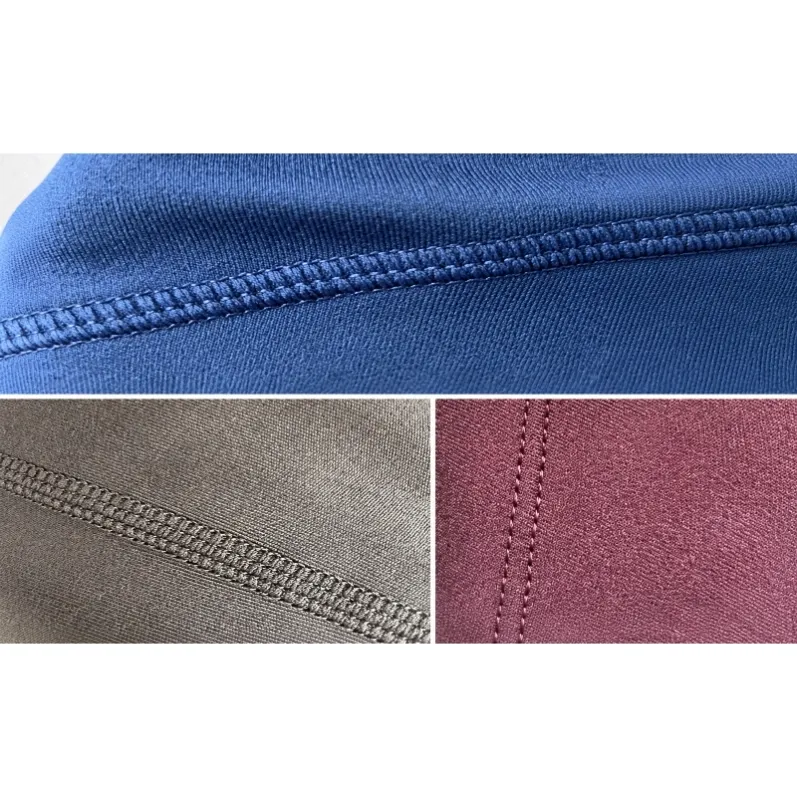
Visible topstitch, coverstitch and flatseam details are checked for alignment, symmetry, thread shade, sheen and panel matching. Matte and shiny fabrics may show the same stitch differently.
Step 7: evaluate care-related risk
Where required by the buyer or product specification, the relevant care or performance evaluation should be applied before bulk approval. Bonded details, elastic and heat-applied logos deserve particular attention.
Step 8: convert approval into production information
The approved result should be supported by the correct sample, tech pack revision, material reference and critical quality notes. Production teams need a standard they can follow-not a memory of how the sample looked.
Why Choose Us: How GENY YOGA Helps Buyers Reduce Risk
Geny Yoga was founded in 2012 and focuses on one-stop sportswear manufacturing, covering yoga bras, tops, tanks, leggings, shorts, pants and outerwear. Buyers benefit from a development conversation that connects design, material, sewing and quality priorities.
Send Emma your tech pack, reference garment, fabric details and required seam appearance. Geny Yoga can review the construction questions that should be settled before your next activewear sample proceeds.
Inquiry Contact Form
To discuss an OEM, ODM or private-label activewear project with GENY YOGA, please send the following information:
- product category and reference images;
- target quantity by style, color and size;
- fabric direction, hand feel or performance requirement;
- logo, label, packaging and trim requirements;
- target market, timeline and destination;
- Tech Pack, size chart or sample comments if available.
Related Posts
Related Products And Services
Contact GENY YOGA
Email: info@genyyoga.com
WhatsApp: +86 190 2093 2815
Tell us what you want to develop, and our team will help review the product direction, sampling requirements and sourcing risk points before quotation.