Aug 21, 2026Materials
Stretch Is Not Enough: Why Fabric Recovery Matters
A fabric can stretch well yet recover poorly. Learn how recovery affects yoga leggings, waistbands, sports bras, knees and long-term activewear fit.
Stretch Is Not Enough: Why Fabric Recovery Matters
High stretch is easy to demonstrate: pull the fabric and show how far it extends. Recovery is less visible but often more important to the customer's long-term experience.
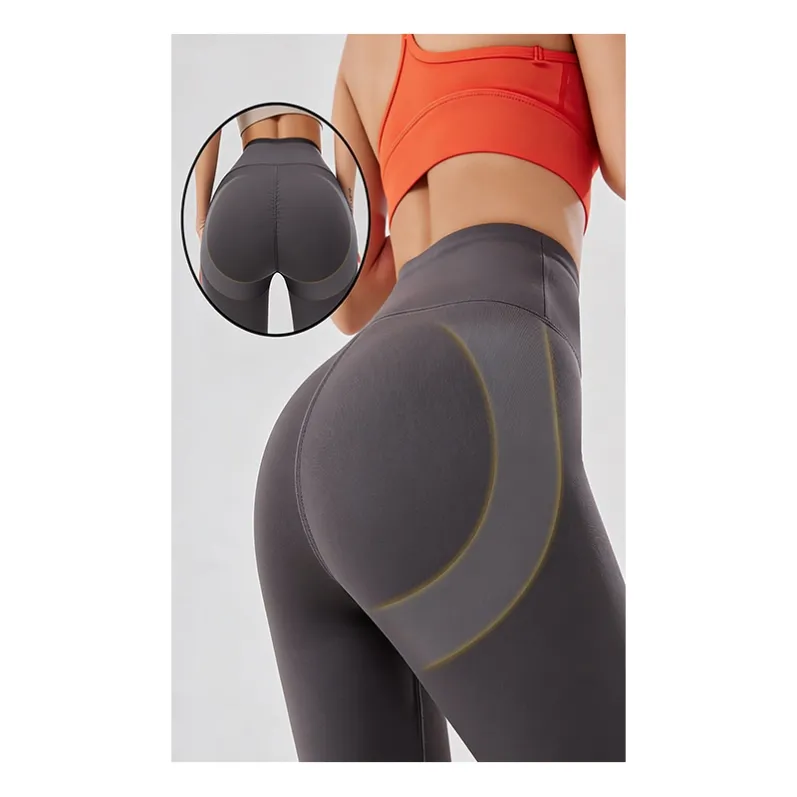
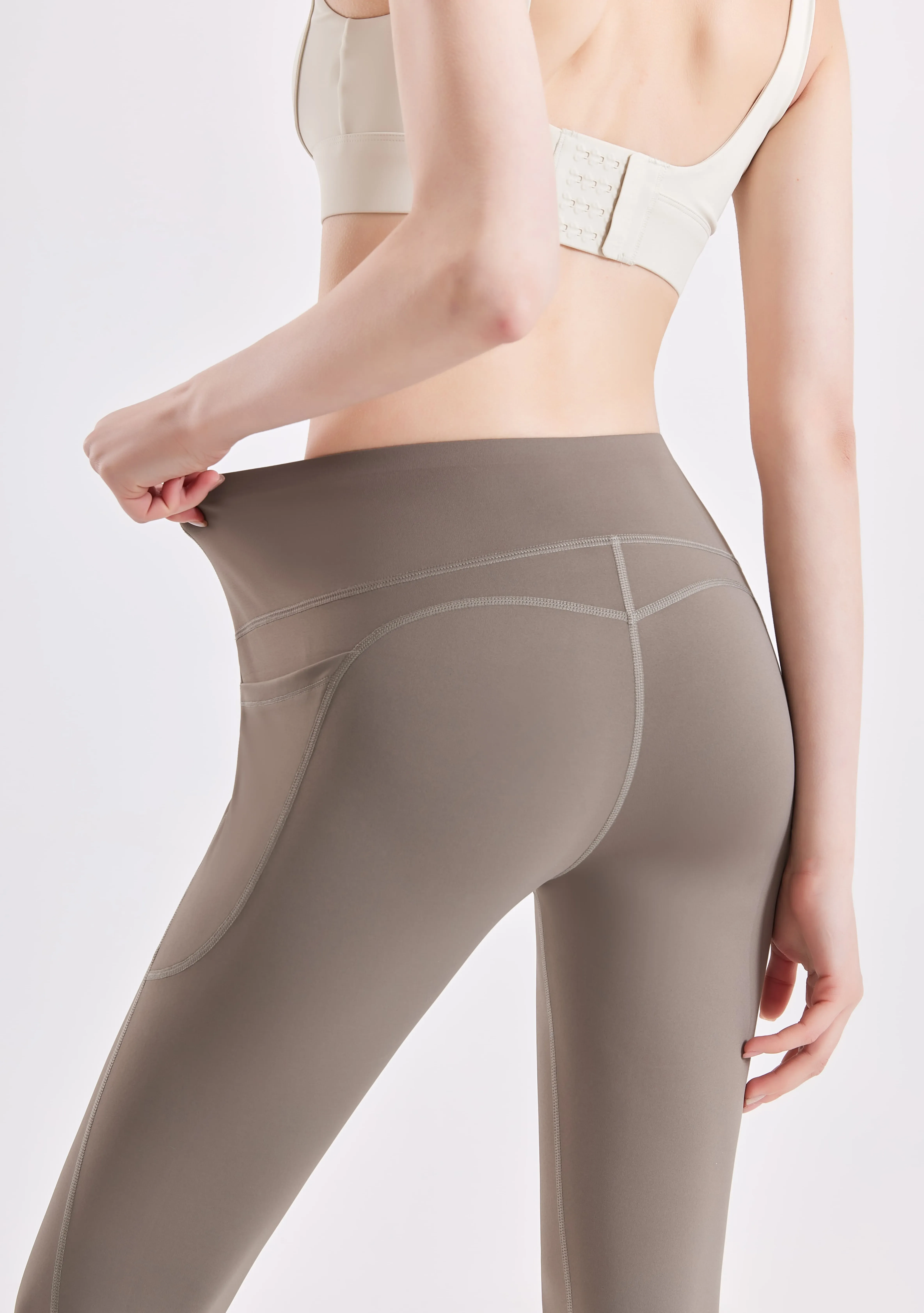
Recovery describes how effectively a fabric returns toward its original dimensions after extension. A material may stretch easily but recover slowly or incompletely. In a finished garment, this can contribute to loose knees, a sagging seat, an unstable waistband or a sports bra that loses support during wear.
Stretch and recovery solve different problems
Stretch supports movement and dressing. Recovery helps the garment retain shape and maintain contact with the body.
The desired balance varies:
- soft yoga wear may use lower stretch force for comfort;
- compression leggings require controlled resistance and reliable recovery;
- running shorts need mobility without uncontrolled growth;
- fitted tops and tanks should recover around openings;
- sports bras require coordinated recovery from shell, lining and elastic.
Four-way stretch is not a complete specification
"Four-way stretch" usually indicates meaningful extension in both main fabric directions. It does not tell the buyer the extension percentage, force, recovery, fatigue behavior or directionality.
For comparative testing, the specimen direction, original gauge length, extension, hold time, cycle count and recovery time should be kept consistent. A brand may use an established method, a third-party test or a documented internal procedure. The correct threshold depends on product needs.
Why recovery changes after production
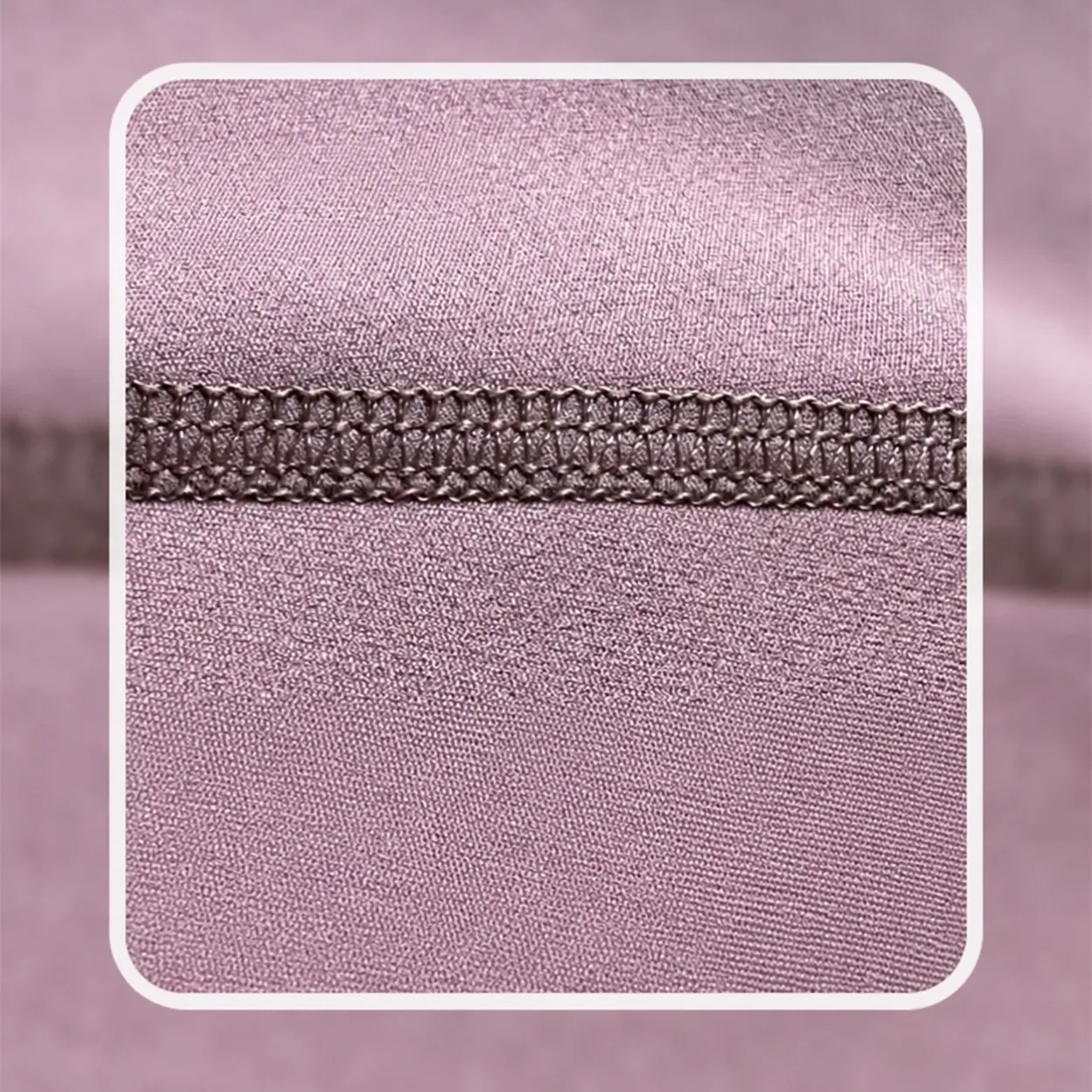
Fabric behavior can be affected by dyeing, finishing, heat setting, garment washing, printing and pressing. Cutting direction and sewing tension can also influence the final garment.
This is why a promising greige or initial fabric sample should not be the only approval point. Buyers should confirm the production-quality fabric and review a finished garment after the required care process.
Practical signs of weak recovery
- knee or elbow bagging after movement;
- waistband loosening during wear;
- leg opening growth;
- rippling around pockets or seams;
- loss of compression after washing;
- size instability between initial and repeated fitting.
These symptoms may also involve pattern or construction, so the material should be diagnosed as part of the whole garment.
Buyer checklist before approval
- Define the required feel: easy stretch, balanced support or compression.
- Compare stretch and recovery in both directions.
- Review repeated extension, not one pull only.
- Evaluate the actual garment in movement.
- Repeat the review after agreed laundering.
- Confirm bulk fabric matches the approved performance reference.
Why Choose Us: How GENY YOGA Helps Buyers Reduce Risk
Geny Yoga treats recovery as a fit and quality issue, not just a laboratory number. Our yoga wear and sportswear development considers how fabric interacts with pattern, waistband, seams and intended activity.
If your current legging bags at the knees or slides after wear, send Emma the sample, fabric specification and fit comments. Geny Yoga can help structure the next development review around the likely causes.
Inquiry Contact Form
To discuss an OEM, ODM or private-label activewear project with GENY YOGA, please send the following information:
- product category and reference images;
- target quantity by style, color and size;
- fabric direction, hand feel or performance requirement;
- logo, label, packaging and trim requirements;
- target market, timeline and destination;
- Tech Pack, size chart or sample comments if available.
Related Posts
Related Products And Services
Contact GENY YOGA
Email: info@genyyoga.com
WhatsApp: +86 190 2093 2815
Tell us what you want to develop, and our team will help review the product direction, sampling requirements and sourcing risk points before quotation.