Aug 9, 2026Materials
Matte vs Shiny Activewear Fabric: What Brand Buyers Should Know
Compare matte and shiny activewear fabrics for yoga wear, sportswear and streetwear by aesthetics, color, stretch, coverage, photography and end use.
Matte vs Shiny Activewear Fabric: What Brand Buyers Should Know
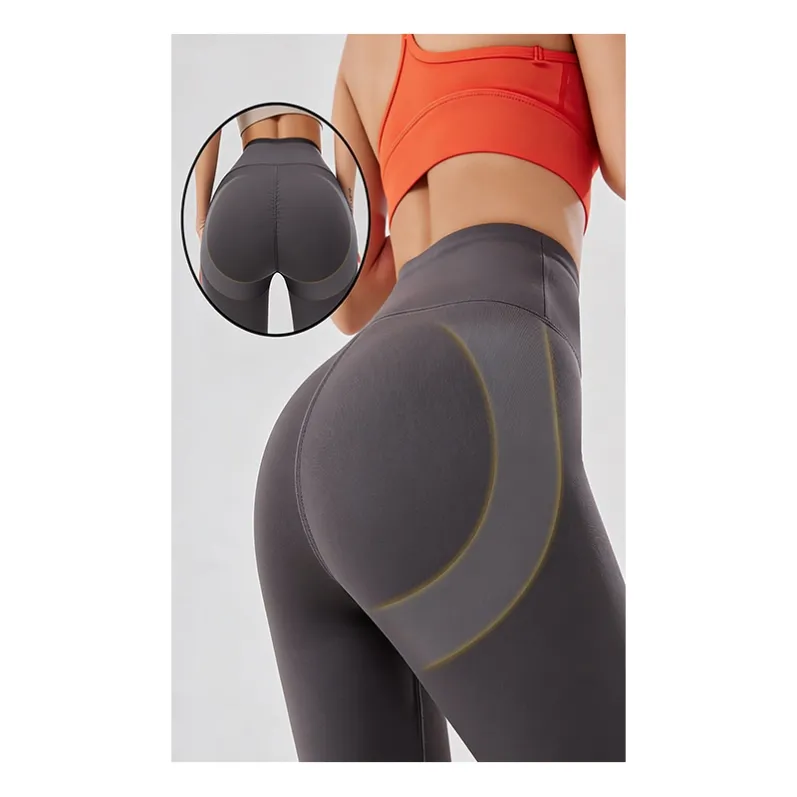
Matte and shiny fabrics communicate different product positions. Matte surfaces are often associated with understated studio wear and everyday styling. Controlled sheen can create a technical, sculpted or fashion-led look suited to performance sportswear and streetwear.
The decision is not only aesthetic. Surface appearance can change with stretch, lighting, color, finishing and photography.
What creates a matte or shiny appearance?
Visual luster may be influenced by:
- fiber and filament shape;
- yarn construction and twist;
- knit surface;
- calendaring or other finishing;
- brushing or sanding;
- dye color and depth;
- applied coatings or prints;
- the angle and intensity of light.
Two fabrics described as "matte" may still photograph differently.
Matte fabric considerations
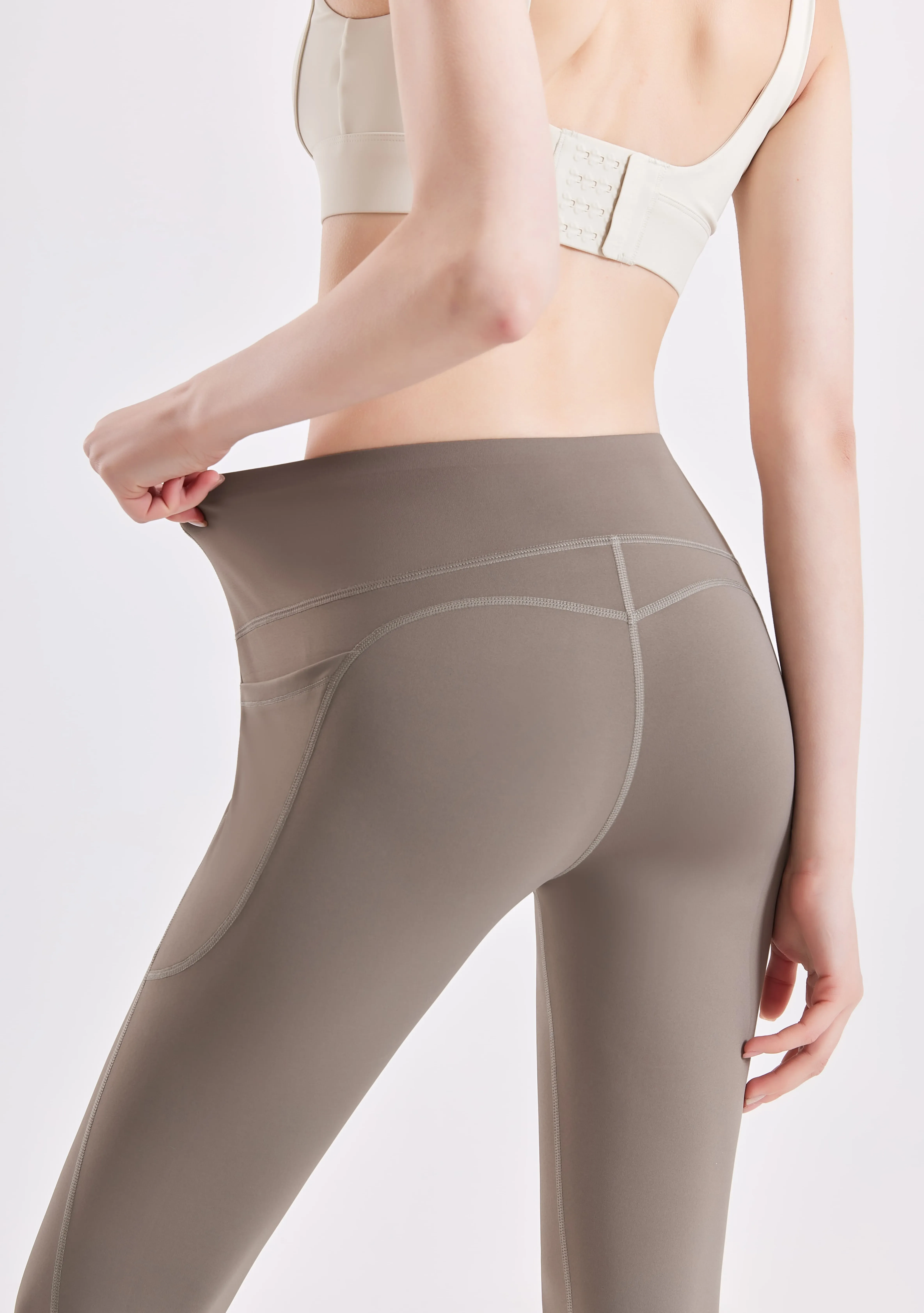
Matte yoga leggings can create a calm, versatile appearance and may coordinate easily with tops, tanks and sports bras. Brushed matte surfaces can feel soft, but buyers should consider pilling, abrasion, lint attraction and shade consistency.
Matte appearance does not prove opacity. Light colors and high-stretch areas still need garment-level review.
Shiny fabric considerations
Sheen can emphasize muscle contour, panel lines and movement. It may work well for fashion sportswear, dance, statement bras, shorts or performance streetwear.
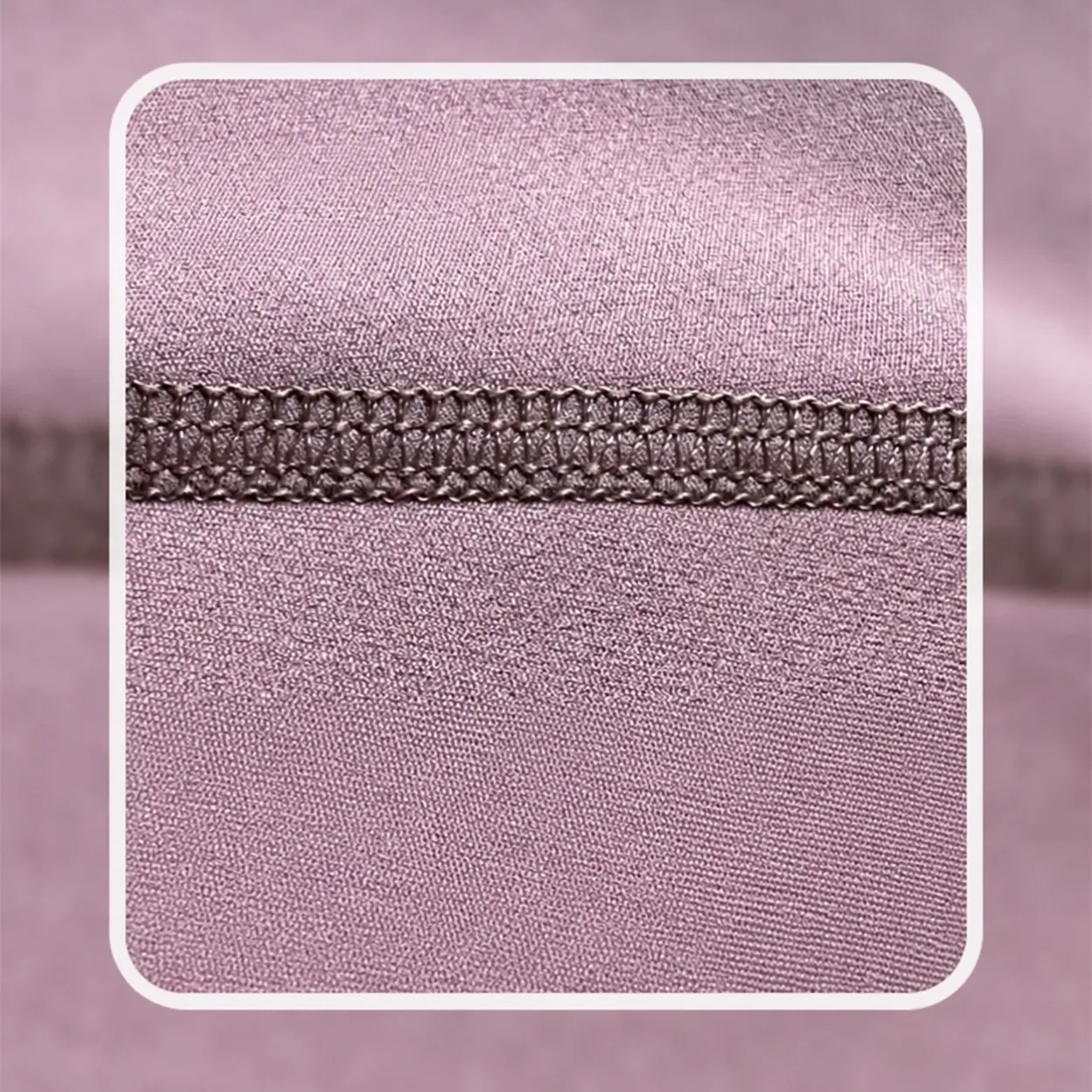
However, shine can also reveal surface irregularity, seam tension or stretch variation. Excessive luster may make a product look different from the buyer's reference, especially under studio flash or retail lighting.
Stretch changes the appearance
As fabric extends, its surface and knit geometry change. A material may become shinier or lighter in high-strain zones. Uneven pattern tension can therefore create different visual zones on one garment.
Review the sample standing and in motion, under controlled light and in the intended colors.
Digital presentation matters
E-commerce photography can exaggerate or suppress shine. Brands should review:
- daylight and indoor appearance;
- direct and diffused lighting;
- video movement;
- close-up texture;
- color consistency across product images.
The approved physical standard should remain the production reference; edited images should not become an unrealistic color or luster standard.
Buyer approval checklist
- Confirm the intended luster with a physical reference.
- Review bulk-color fabric, not white base fabric only.
- Check appearance relaxed and stretched.
- Evaluate front, side and back in the garment.
- Review seams, pockets and panel transitions.
- Assess pilling, abrasion and care needs relevant to the finish.
- Record the approved fabric article and finish.
Why Choose Us: How GENY YOGA Helps Buyers Reduce Risk
Geny Yoga supports yoga wear, activewear, sportswear and lifestyle-oriented streetwear development. We discuss matte or shiny appearance together with fit, construction, color and end use-not as a trend label alone.
Contact with your mood board, target luster, color palette and product categories. Geny Yoga can help translate a visual direction into a more precise fabric and sampling brief.
Inquiry Contact Form
To discuss an OEM, ODM or private-label activewear project with GENY YOGA, please send the following information:
- product category and reference images;
- target quantity by style, color and size;
- fabric direction, hand feel or performance requirement;
- logo, label, packaging and trim requirements;
- target market, timeline and destination;
- Tech Pack, size chart or sample comments if available.
Related Posts
Related Products And Services
Contact GENY YOGA
Email: info@genyyoga.com
WhatsApp: +86 190 2093 2815
Tell us what you want to develop, and our team will help review the product direction, sampling requirements and sourcing risk points before quotation.