Aug 9, 2026Materials
How Fabric Structure Changes Support, Breathability and Hand Feel
Learn how knit structure, density and finishing influence support, breathability, opacity and hand feel in yoga wear, leggings, tops and sports bras.
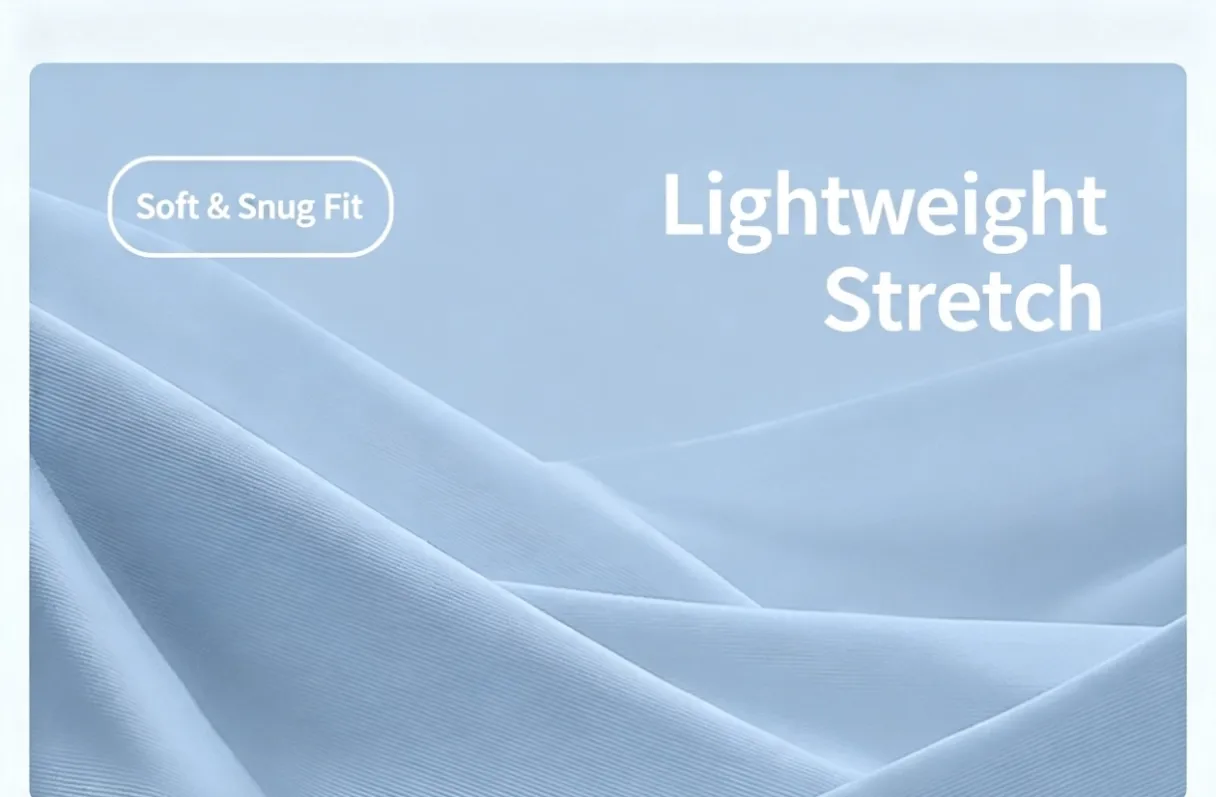
How Fabric Structure Changes Support, Breathability and Hand Feel
Fiber content answers "what fibers are present." Fabric structure explains much of how those fibers are arranged and how the material behaves.
Two nylon-spandex fabrics with the same composition and similar GSM can still differ in support, breathability, stretch, opacity and touch because their yarns and knitted structures are different.
Structure and support
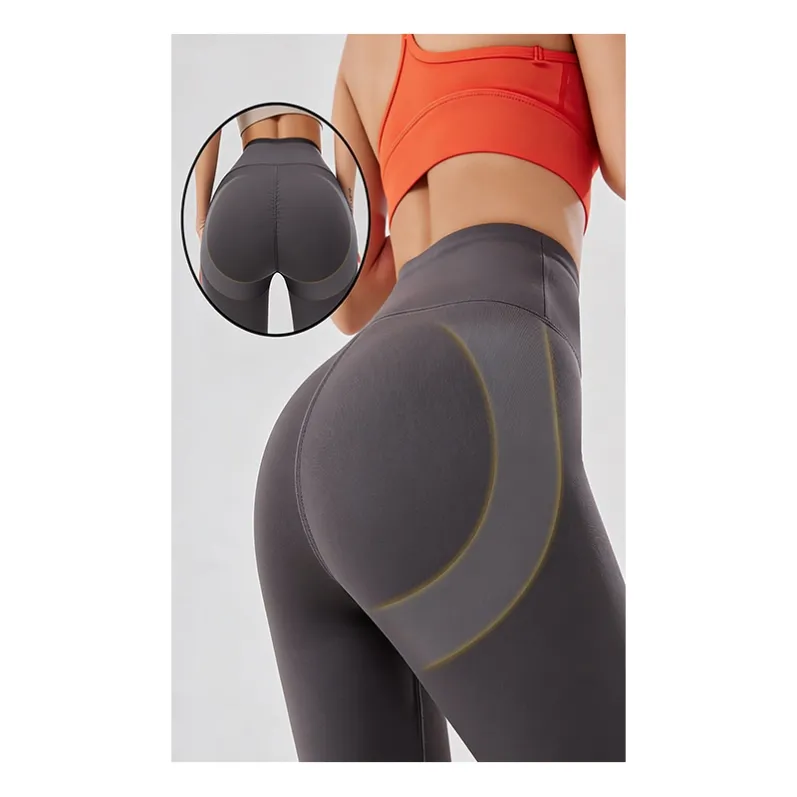
A compact, dense knit generally resists deformation differently from a more open or lightweight construction. This can contribute to a stable, supportive feel in leggings and fitted pants. But support must be considered with stretch force and recovery; density alone is not a compression measurement.
Structure and breathability
Air permeability is influenced by pore size, thickness, density, yarn and finishing. A visually open mesh usually ventilates more than a compact interlock, but actual breathability should be verified when the claim matters.
Garment design can improve ventilation through mesh panels, open backs and looser silhouettes. A breathable fabric used in a double-layer sports bra will not behave like the same fabric used in a single-layer tank.
Structure and hand feel
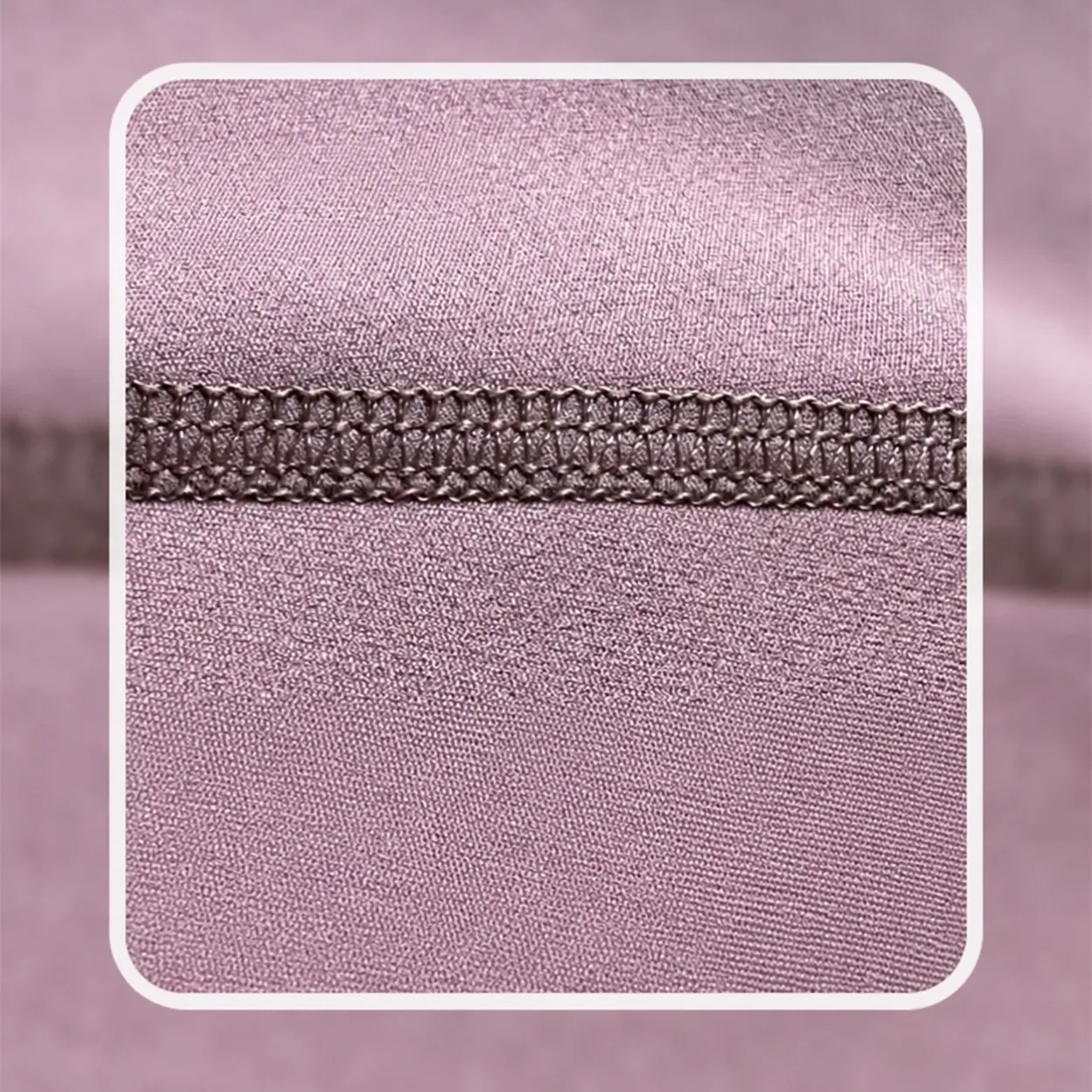
Surface loops, filament fineness, brushing and finishing change how a fabric contacts the skin. Hand feel includes more than softness: buyers may describe cool, dry, silky, peach, cotton-like or slick sensations.
These descriptions should be linked to a physical swatch or approved sample because language is subjective across teams and countries.
Structure and opacity
Coverage depends on how the knit opens under strain. A fabric that appears opaque while relaxed may reveal more when stretched across the hip. This is why squat-proof evaluation belongs at garment level.
Structure and sewing
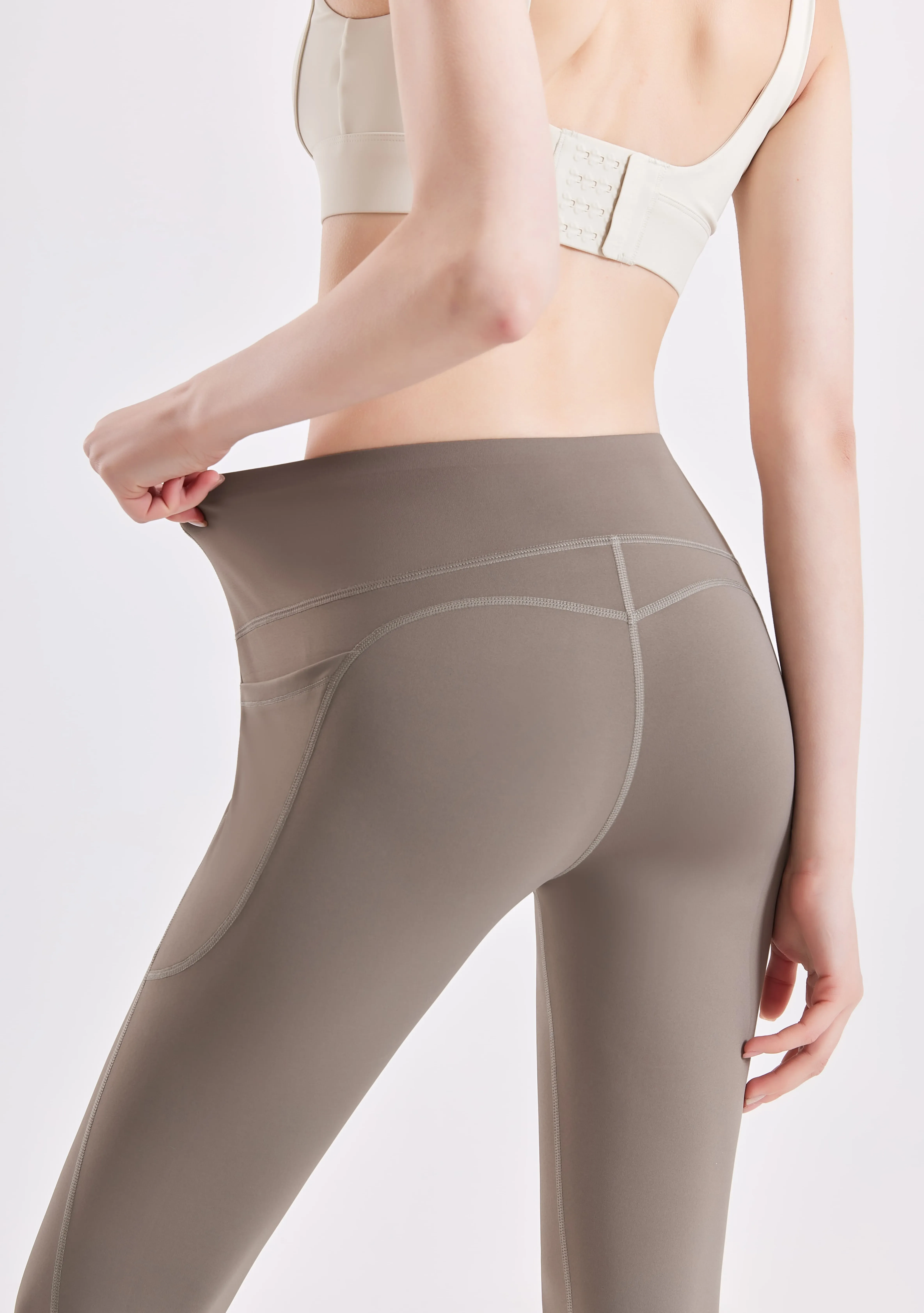
Fabric stability affects cutting, feeding, seam puckering and edge curling. Machine settings that work on one stretch knit may not work on another. Needle, thread, differential feed, stitch density and seam type should be adapted during sampling.
Buyer questions before selection
- What is the knitted construction?
- How does it stretch and recover by direction?
- Is the target support light, medium or strong?
- What opacity is required in light colors?
- Does the surface finish introduce pilling risk?
- How will the fabric be layered in the garment?
- Which seams and decorations will be applied?
- What care and performance tests are required?
Why Choose Us: How GENY YOGA Helps Buyers Reduce Risk
Geny Yoga combines fabric discussion with garment development across tops, tanks, sports bras, leggings, shorts, pants and sportswear outerwear. This keeps the material decision connected to construction and end use.
Send Emma your target product and preferred hand feel, plus a reference swatch or garment if available. Geny Yoga can help compare construction, performance priorities and sampling risks before you commit to bulk fabric.
Inquiry Contact Form
To discuss an OEM, ODM or private-label activewear project with GENY YOGA, please send the following information:
- product category and reference images;
- target quantity by style, color and size;
- fabric direction, hand feel or performance requirement;
- logo, label, packaging and trim requirements;
- target market, timeline and destination;
- Tech Pack, size chart or sample comments if available.
Related Posts
Related Products And Services
Contact GENY YOGA
Email: info@genyyoga.com
WhatsApp: +86 190 2093 2815
Tell us what you want to develop, and our team will help review the product direction, sampling requirements and sourcing risk points before quotation.