Aug 9, 2026Buying Guides
Why Front Rise, Back Rise and Crotch Depth Matter in Yoga Leggings
Learn how front rise, back rise and crotch depth affect yoga leggings fit, waistband position, mobility and comfort-and what activewear buyers should check.
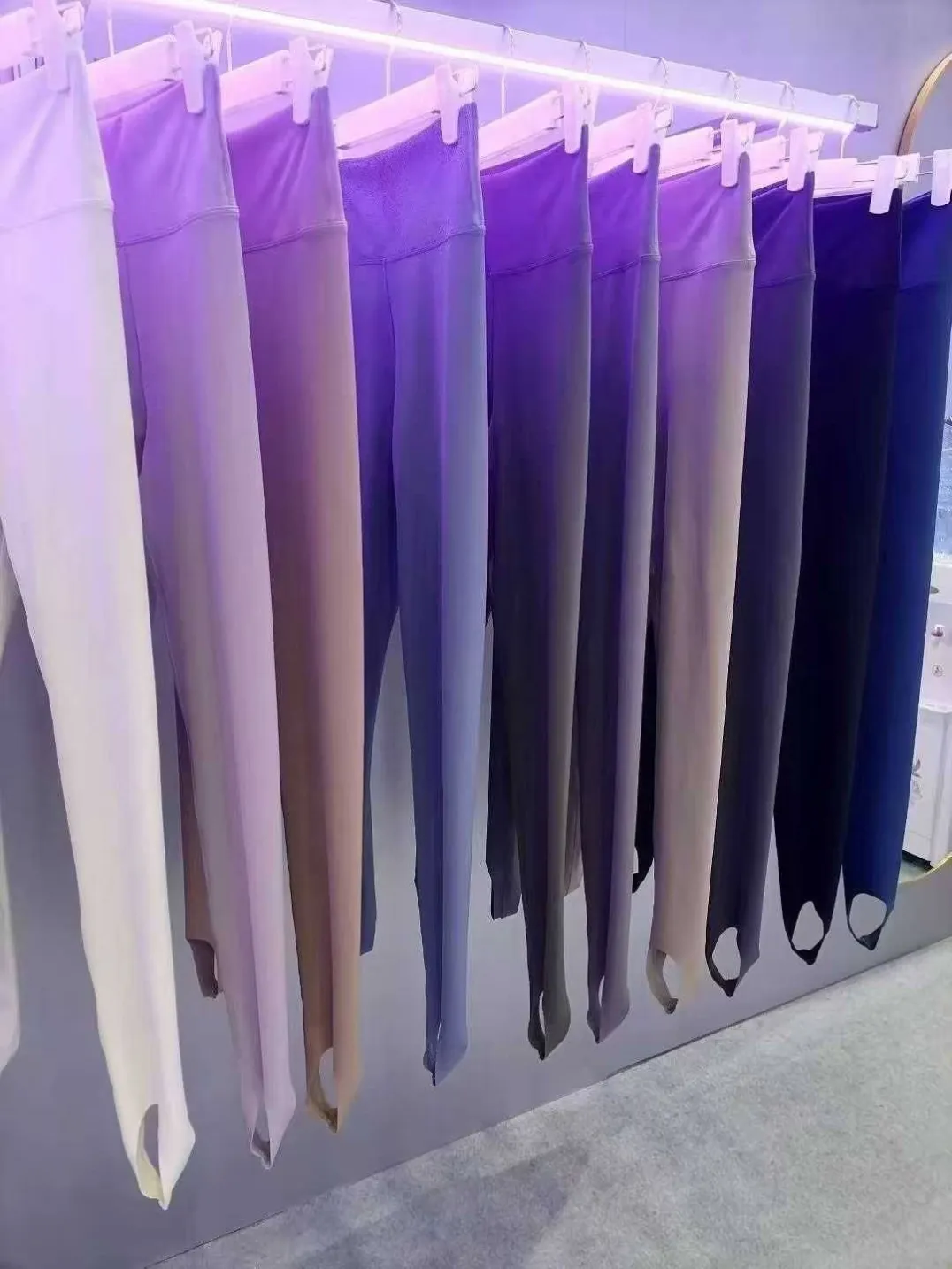
Why Front Rise, Back Rise and Crotch Depth Matter in Yoga Leggings
A buyer may describe a legging sample as "too low at the back," "pulling at the front" or "uncomfortable in the crotch." These symptoms are often treated as simple waist or hip problems, but front rise, back rise and crotch depth may be central to the fit.
These measurements work together with the crotch curve, hip shape, waistband construction and fabric stretch. Changing one number without understanding the complete pattern can solve one symptom and create another.
What is front rise?
Front rise describes the relationship from the crotch area toward the front waist. Depending on the brand's point-of-measure method, it may be recorded along a seam curve or by another defined measurement. The method must be illustrated in the tech pack.
If the front rise or curve is not suitable, the wearer may experience pulling, excess fabric, pressure or an unstable waistband. However, similar symptoms can also come from hip width, fabric tension or incorrect size.
What is back rise?
Back rise provides length and shape over the seat toward the back waist. It is usually different from the front because the body requires different coverage and contour.
Insufficient back rise may contribute to:
- the waistband being pulled down during squats;
- reduced back coverage;
- tension through the seat and crotch;
- repeated adjustment during exercise.
Too much back rise can create excess fabric, wrinkles or a waistband that does not sit as intended.
What is crotch depth?
Crotch depth helps describe the vertical space through the torso and pelvis. It should not be confused with rise length, although the measurements are related.
A garment can match the waist and hip width on paper yet feel wrong if the vertical balance is unsuitable. Crotch depth must be evaluated together with the pattern shape, waistband position and intended compression.
Why fabric changes the result
The same pattern cut in a soft, extensible fabric and a dense compression fabric may not fit identically. Stretch force, recovery, thickness and surface friction change how the garment distributes tension.
For this reason, final fit should be approved in the intended production-quality fabric, not in a convenient substitute.
What buyers should review
- Define exactly how each measurement is taken.
- Compare the sample with the approved size specification.
- Check standing, sitting, bending, squatting and walking.
- Observe waistband position from front, side and back.
- Identify whether pulling begins at the waist, hip, crotch or thigh.
- Review the crotch curve and gusset, not rise numbers alone.
- Test at least the sizes needed to validate the grade rules.
- Record comments with photographs and measurements.
Avoid vague corrections
"Make the rise higher" is incomplete. State which rise, where the waistband should sit and what symptom must be corrected. If the buyer changes waistband height, clarify whether the total rise, seam position or finished top edge should change.
Why Choose Us: How GENY YOGA Helps Buyers Reduce Risk
Geny Yoga has 10+ years of sportswear manufacturing experience across leggings, shorts, pants, tops, tanks and sports bras. We approach rise and crotch fit as part of a system involving fabric, pattern and construction.
Send your size chart, technical sketch, fit photos and current sample comments. Geny Yoga can help organize the rise and crotch questions that should be resolved in the next sample round.
Inquiry Contact Form
To discuss an OEM, ODM or private-label activewear project with GENY YOGA, please send the following information:
- product category and reference images;
- target quantity by style, color and size;
- fabric direction, hand feel or performance requirement;
- logo, label, packaging and trim requirements;
- target market, timeline and destination;
- Tech Pack, size chart or sample comments if available.
Related Posts
Related Products And Services
Contact GENY YOGA
Email: info@genyyoga.com
WhatsApp: +86 190 2093 2815
Tell us what you want to develop, and our team will help review the product direction, sampling requirements and sourcing risk points before quotation.