Aug 21, 2026Sewing Techniques & Quality
How Seam Tension Affects Stretch and Comfort
Understand how thread tension, stitch balance and fabric feeding affect seam stretch, puckering and comfort in yoga wear, leggings and sports bras.
How Seam Tension Affects Stretch and Comfort
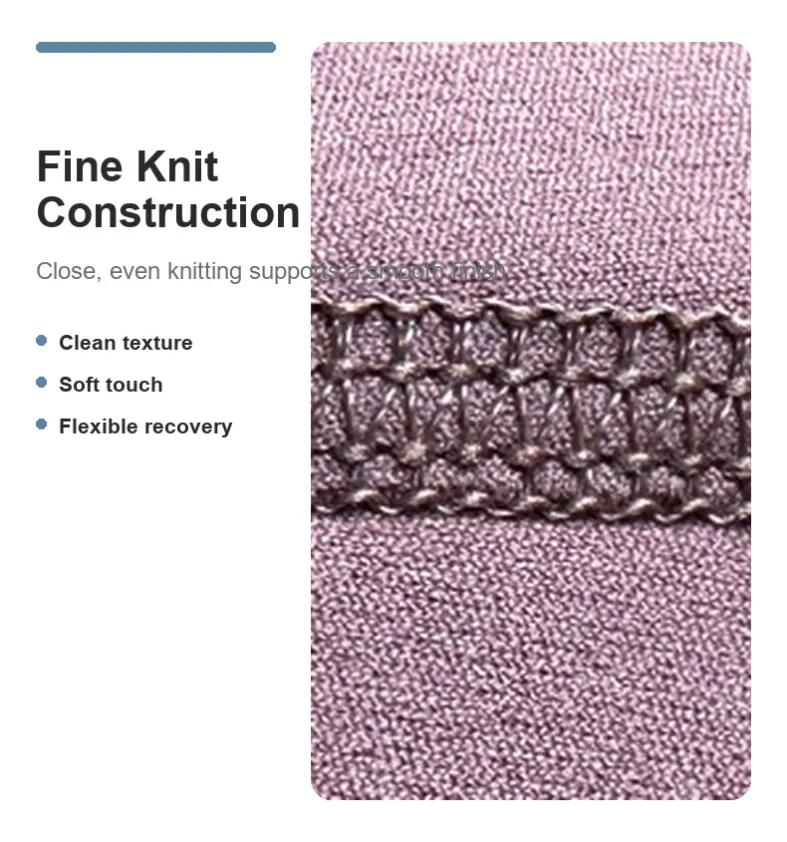
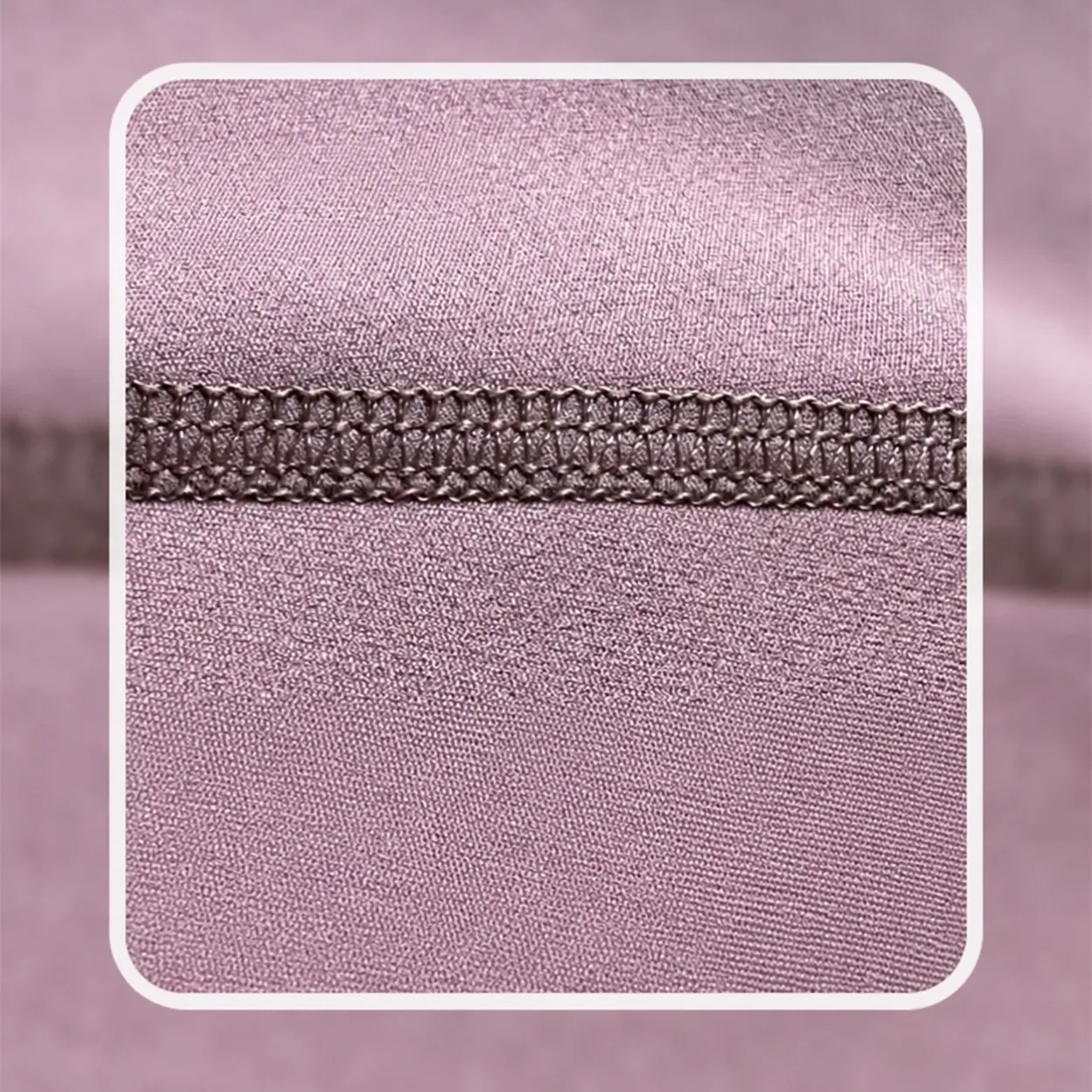
A stretch fabric does not guarantee a stretch-compatible seam. Thread tension and stitch formation determine whether the seam extends with the garment, sits smoothly and returns without loose loops or broken thread.
For buyers, seam tension is usually invisible as a machine setting. Its effects become visible as puckering, wavy seams, tunneling, tightness, skipped stitches or failure during wear.
What seam tension controls
Sewing machines balance several threads through or around the fabric. If the balance is unsuitable, the seam may:
- restrict extension;
- pull the fabric into puckers;
- show loose loops;
- expose thread at the seam line;
- crack when stretched;
- feel rigid against the body;
- distort after relaxation or washing.
Correct settings vary by stitch type, thread, needle, fabric construction and number of layers.
Tension is not the only machine variable
Differential feed, presser-foot pressure, stitch length, needle selection, sewing speed and operator handling also influence the result. A wavy seam may be caused by the fabric being stretched during sewing rather than upper-thread tension alone.
This is why factories should diagnose the full operation instead of adjusting one dial repeatedly.
Why activewear is sensitive
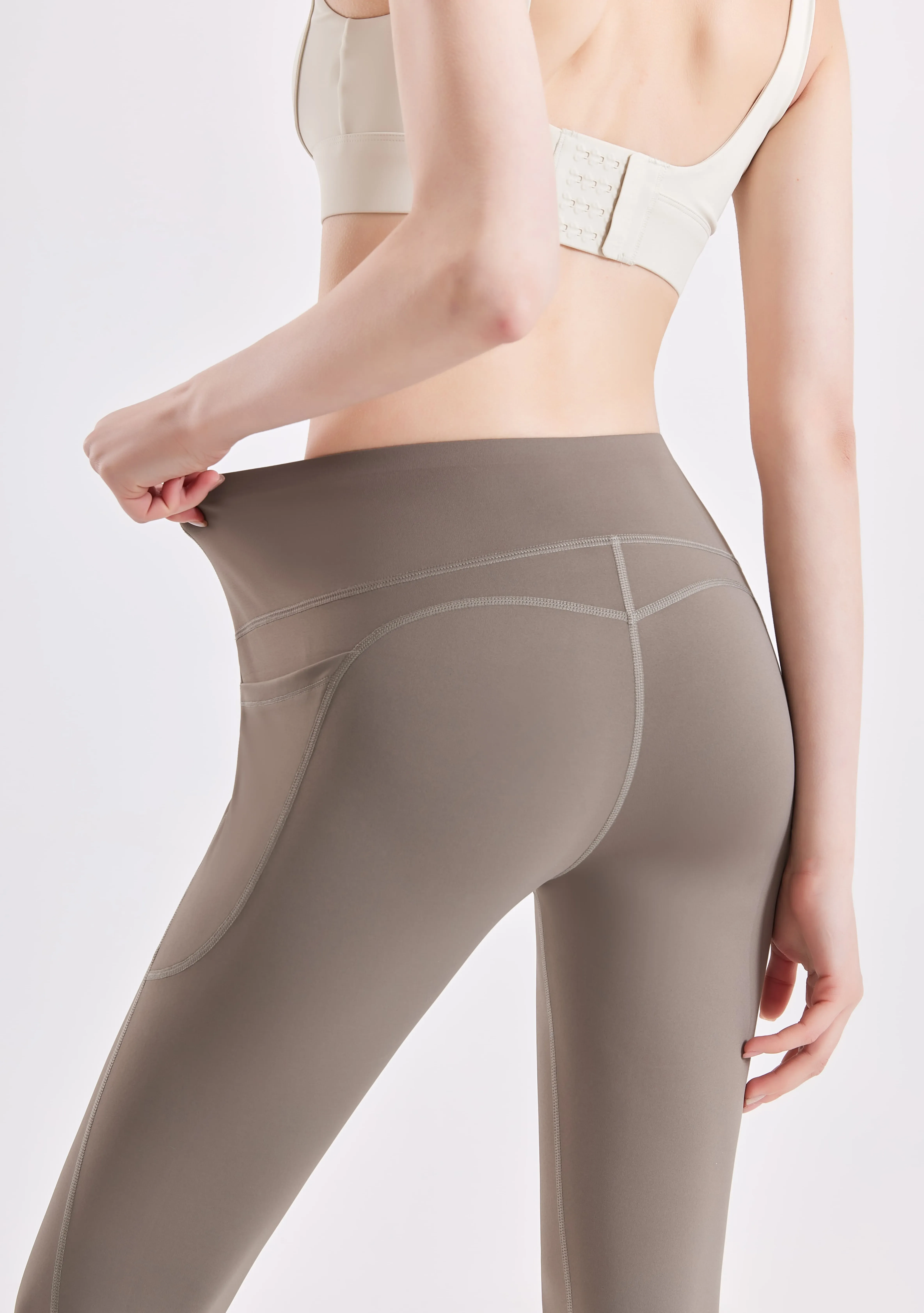
Yoga wear and sportswear fabrics are often highly extensible and resilient. During sewing, the material can grow, curl, shift or compress under the foot. Multiple layers-such as waistband, lining or pocket panels-may feed differently.
A setting that works on a single-layer top may not work on a multi-layer sports bra or compression legging.
Practical sample checks
- Observe the seam relaxed on a flat surface.
- Extend it in the direction used during wear.
- Listen and look for thread cracking.
- Check both sides for balanced formation.
- Compare seam extension with adjacent fabric.
- Allow it to recover and check waviness.
- Review after the required care procedure.
- Inspect the body-facing side for abrasive loops or bulk.
Define acceptance by result
Buyers generally do not need to prescribe every machine setting. They should define the required seam appearance, stretch, strength, comfort and durability. The factory then establishes settings that deliver the approved result consistently.
Why Choose Us: How GENY YOGA Helps Buyers Reduce Risk
Geny Yoga evaluates stitching in relation to the actual activewear fabric and seam location. Buyers benefit from sample review that focuses on finished performance instead of machine terminology alone.
If a sample seam feels tight, wavy or cracks under stretch, send Emma clear photos of both sides, the fabric specification and the movement that triggers the problem. Geny Yoga can use that evidence to guide the next review.
Inquiry Contact Form
To discuss an OEM, ODM or private-label activewear project with GENY YOGA, please send the following information:
- product category and reference images;
- target quantity by style, color and size;
- fabric direction, hand feel or performance requirement;
- logo, label, packaging and trim requirements;
- target market, timeline and destination;
- Tech Pack, size chart or sample comments if available.
Related Posts
Related Products And Services
Contact GENY YOGA
Email: info@genyyoga.com
WhatsApp: +86 190 2093 2815
Tell us what you want to develop, and our team will help review the product direction, sampling requirements and sourcing risk points before quotation.